[embed obj]
Home
About us
Services and subscription
Press release
Press center
Advertising
Useful links
Contacts
Politics
Economics
Finances
Society
Transnistria and Gagauzia
Culture and sport
Interview
Incidents
Foreign news
News Archive
Русский
Română
English
Error: page 623 not found
All News
close
Most commented
today
week
month
there was no comments yet
ROBOTIC FESTIVAL STARTS IN CHISINAU
2019.03.01
317
ROBOTIC FESTIVAL STARTS IN CHISINAU
2019.03.01
317
CHISINAU REJECTS RUSSIA’S ACCUSATIONS CONCERNING DEGRADATION OF MEDIA FREEDOM IN MOLDOVA
2022.08.17
1
COUNCIL OF EUROPE TO PROVIDE MOLDOVA WITH EQUIPMENT AND MEDICAL SUPPLIES FOR THE PENITENTIARY SYSTEM
2024.04.05
1
Most popular
today
week
month
PARLIAMENTARY OPPOSITION ONCE AGAIN PROPOSES TO INCREASE THE PROFIT TAX FOR BANKS FROM 12 TO 18%
2024.04.25
238
DEFENSE MINISTRY REFUTES INFORMATION ABOUT RECRUITMENT OF CITIZENS FOR CONTRACT SERVICE OR FOREIGN LEGION
2024.04.24
168
NATIONAL PROGRAM “CASHLESS PAYMENTS” STARTS IN MOLDOVA ON APRIL 25
2024.04.24
122
ATTRACTING MONEY BY BANKS IN INTERNATIONAL CAPITAL MARKETS IS STYMIED BY A SIGNIFICANT RESTRICTION OF 1%
2024.04.22
341
PARLIAMENTARY OPPOSITION ONCE AGAIN PROPOSES TO INCREASE THE PROFIT TAX FOR BANKS FROM 12 TO 18%
2024.04.25
238
DEFENSE MINISTRY REFUTES INFORMATION ABOUT RECRUITMENT OF CITIZENS FOR CONTRACT SERVICE OR FOREIGN LEGION
2024.04.24
168
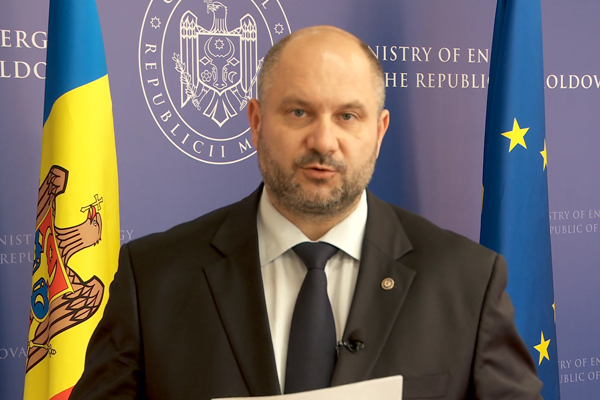
ENERGY MINISTER SUMMARIZES VISIT TO U.S.: MOLDOVA HAS CHANCES TO BECOME PART OF EUROPEAN ENERGY MARKET BY 2029
2024.04.19
938
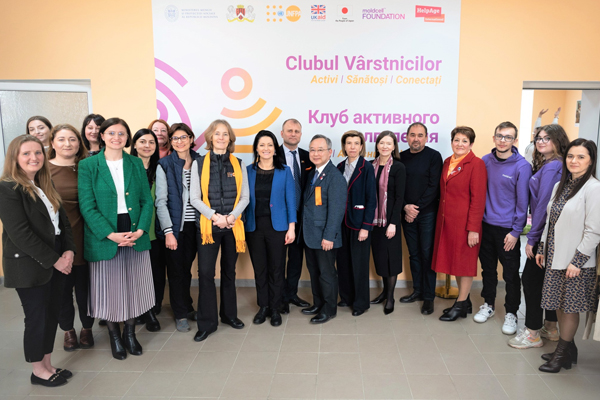
JAPANESE AND BRITISH GOVERNMENTS FINANCIALLY SUPPORT OPENING OF ELDERLY PEOPLE'S CLUB IN UNGHENI
2024.03.28
735
ENERGY MINISTER CONFIRMS MOLDOVA'S INTEREST IN AMERICAN LIQUEFIED GAS
2024.04.10
546







Most commented
there was no comments yet
ROBOTIC FESTIVAL STARTS IN CHISINAU
2019.03.01 317ROBOTIC FESTIVAL STARTS IN CHISINAU
2019.03.01 317CHISINAU REJECTS RUSSIA’S ACCUSATIONS CONCERNING DEGRADATION OF MEDIA FREEDOM IN MOLDOVA
2022.08.17 1COUNCIL OF EUROPE TO PROVIDE MOLDOVA WITH EQUIPMENT AND MEDICAL SUPPLIES FOR THE PENITENTIARY SYSTEM
2024.04.05 1